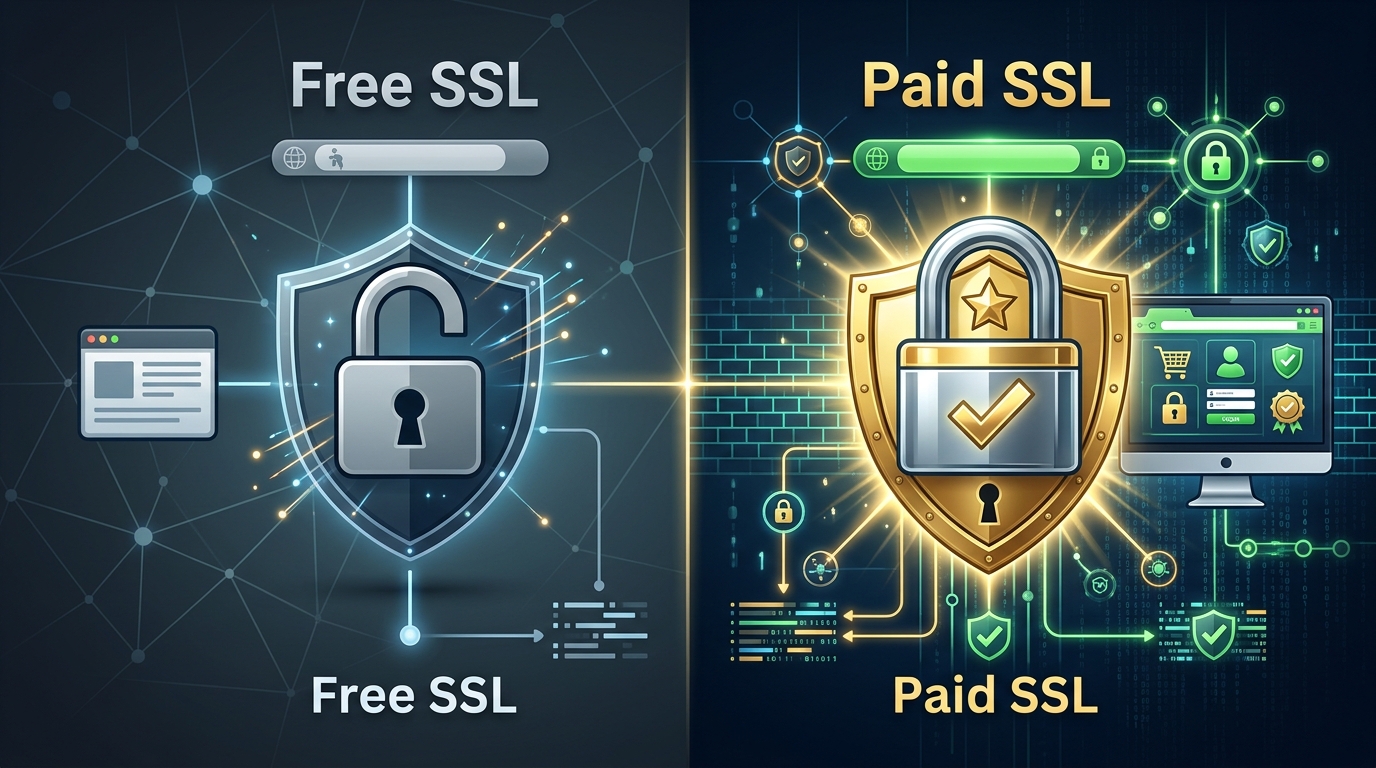
When you launch a new website, security remains a top priority. Consequently, every site owner must decide between a Free vs Paid SSL Certificate. This decision impacts your budget, your brand trust, and your technical management. Specifically, a Secure Sockets Layer (SSL) certificate encrypts the data flowing between a user’s browser and your server. In this modern era, Google requires HTTPS for all sites. Therefore, you cannot skip this step. However, the real question involves which type of certificate offers the best protection for your unique needs. If you are a local business owner looking for an SSL Certificate New York solution, understanding these differences is crucial for your success.
Free vs Paid SSL Certificate : What is a Free SSL Certificate?
Free SSL certificates have become incredibly popular over the last few years. Non-profit certificate authorities like Let’s Encrypt provide these at no cost. These organizations want to make the entire web more secure for everyone. As a result, anyone with a domain can obtain a basic level of encryption within minutes. These certificates use a system called Domain Validation (DV). This means the certificate authority only verifies that you own the domain. They do not check who you are or the legitimacy of your business. Moreover, these certificates usually expire every 90 days. Most hosting providers automate the renewal process for you. For instance, a simple personal blog might find this option perfectly adequate.
Free vs Paid SSL Certificate : What is a Paid SSL Certificate?
A paid SSL certificate comes from a commercial Certificate Authority (CA). These companies charge a fee for various reasons. In contrast to free versions, paid certificates offer higher levels of validation. You can choose between Domain Validation (DV), Organization Validation (OV), or Extended Validation (EV). Furthermore, commercial CAs provide dedicated customer support. This is vital if you encounter technical issues during installation. Paid certificates also come with longer validity periods, typically up to one year. This stability provides peace of mind for busy entrepreneurs. If you manage a complex site, SSL New York can help you select the right commercial option.
Key Differences in Validation Levels
The primary difference lies in how much a CA trusts you. Free certificates only offer DV. This process is fully automated. On the other hand, paid certificates offer OV and EV. During an OV process, the CA verifies your business registration. During an EV process, the CA conducts a thorough background check. Consequently, your visitors feel much safer. They know they are dealing with a verified legal entity. This level of transparency is essential for financial institutions and e-commerce stores. Therefore, if you sell products, a paid certificate is often the better choice for building credibility.
The Importance of Warranties
Security breaches can happen even with encryption. This is where the Free vs Paid SSL Certificate debate gets interesting. Free SSL certificates come with zero warranty. If the encryption fails and your customers lose money, you are on your own. Meanwhile, paid certificates include a financial warranty. These warranties range from $10,000 to over $1,500,000. This insurance protects your business from liability. If the CA makes a mistake in issuing the certificate, the warranty covers the damages. For a business owner, this financial safety net is worth the investment. It shows your clients that you take their data protection seriously.
Trust Indicators and Visual Cues
Visual trust indicators help convert visitors into customers. In the past, EV certificates showed a green address bar. Today, most browsers show a padlock icon for all HTTPS sites. However, paid certificates often provide a Site Seal. You can place this dynamic seal on your checkout page. Research shows that customers are more likely to buy when they see a recognized security brand. Consequently, paid SSL certificates act as a marketing tool. They prove your commitment to safety. For businesses seeking an SSL Certificate New York, having these local trust signals can improve local conversion rates significantly.
Technical Support and Reliability
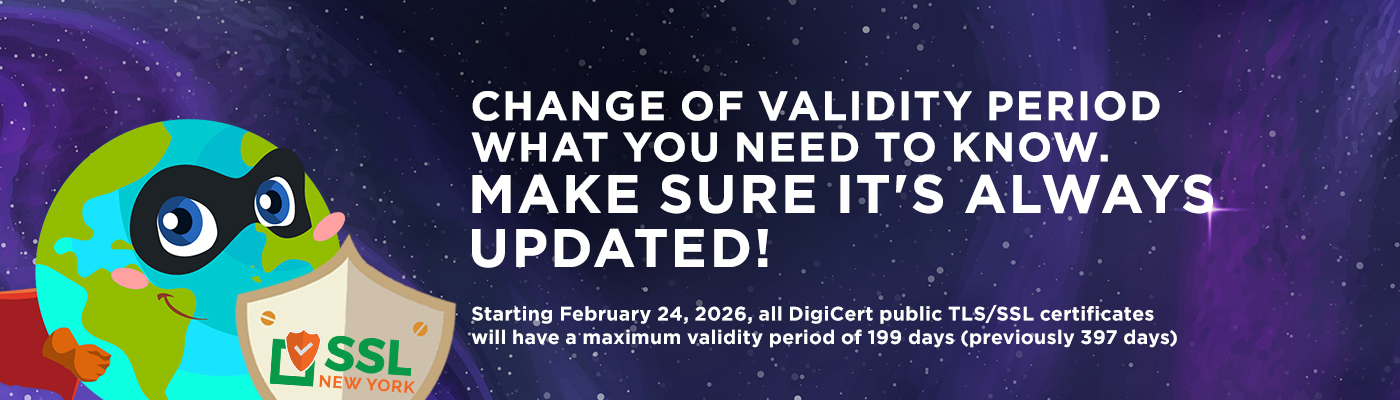
Imagine your website’s SSL certificate expires unexpectedly. Your traffic will drop, and users will see a scary warning. If you use a free certificate, you cannot call a support line. You must rely on community forums or documentation. In contrast, paid providers offer 24/7 technical assistance. They guide you through the setup and troubleshooting process. Furthermore, Transport Layer Security (TLS) standards evolve constantly. Paid providers ensure their certificates stay compatible with all modern browsers. This reliability ensures your website remains accessible to everyone at all times. Therefore, the price you pay includes the expertise of security professionals.
SSL Certificate New York: Local Business Needs
Operating a business in a competitive market like New York requires high standards. When people search for a reliable company, they look for professional markers. Using a premium SSL certificate signals that you are an established player. Specifically, if you handle sensitive client information, you must prioritize security. Many New York-based law firms and medical clinics opt for paid SSL for compliance reasons. Regulatory bodies often require more than just basic encryption. Therefore, choosing a paid SSL Certificate New York service ensures you meet all legal and professional requirements. It is a small price to pay for long-term reputation management.
Free vs Paid SSL Certificate: Pros and Cons
Let us summarize the main points of our Free vs Paid SSL Certificate comparison. Free certificates are excellent for small projects. They are fast, cost-effective, and provide basic encryption. However, they lack support, warranties, and high-level validation. On the other hand, paid certificates offer massive trust advantages. They provide higher validation levels, insurance, and professional support. For instance, e-commerce sites benefit greatly from the increased conversion rates. While there is a cost involved, the return on investment often outweighs the initial spend. Consequently, you should evaluate your goals before deciding.
How to Choose the Right One for You
First, analyze your website’s purpose. Is it a hobby blog? Then a free certificate is likely enough. Is it a business website or an online store? If so, you definitely need a paid version. Second, consider your audience. Do they share private data with you? If they enter credit card details, you must use a paid certificate with a high warranty. Third, think about your technical skills. If you are not a developer, you will appreciate the support that comes with a paid service. Most importantly, do not leave your site unsecured. Every site needs at least the basic protection of a free SSL.
Free vs Paid SSL Certificate: Conclusion
Choosing between a Free vs Paid SSL Certificate depends on your risk tolerance and business goals. Free options are a gift to the internet for basic security. However, they do not replace the robustness of a commercial certificate. For businesses that value trust, support, and financial protection, the paid route is the gold standard. If you want to secure your site today, SSL New York offers the expertise you need to make the right choice. By investing in the right security, you protect your customers and your future. Ultimately, a secure website is a successful website. Therefore, take action now and ensure your digital presence is fully protected from threats.